Highlights-
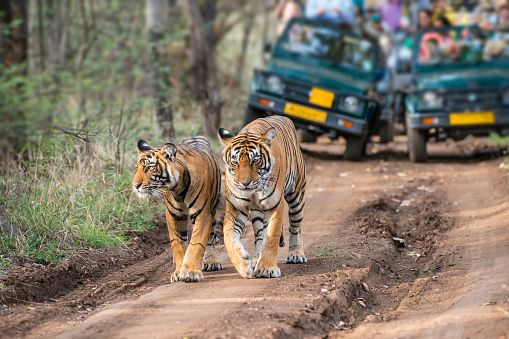
The key highlight of your journey is the exhilarating wildlife safaris inside some of Central India’s most renowned national parks. At Kanha National Park, you may also have the opportunity to enjoy a unique elephant–back safari during the
“Tiger Show”—a special experience organized by the Kanha Forest Department, subject to availability.
Tadoba National Park is a major draw for wildlife enthusiasts due to its high density of Bengal tigers and consistently rewarding sightings of various species. Meanwhile, Pench National Park offers an equally compelling experience,
with diverse wildlife and memorable Jeep safaris that take you deep into the forest, offering a different yet complementary perspective to your wildlife adventure.
Arrive at Nagpur Airport – Kanha National Park
Welcome at Nagpur Airport and journey to Kanha National Park, nestled in the Satpura Hills of central India. Spanning 750 square miles, Kanha offers a rich tapestry of ecosystems, from dense sal and bamboo forests to open meadows
and rugged ravines. This diverse landscape famously inspired Rudyard Kipling’s The Jungle Book, bringing to life the wild heart of India. Declared a national park in 1955, Kanha later became the core of the Kanha Tiger Reserve
in 1974 under India’s pioneering Project Tiger initiative. The park is renowned for its remarkable conservation success, particularly the revival of the barasingha, or swamp deer—a graceful species with majestic 12-point antlers,
once on the brink of extinction.
Kanha stands today as one of Asia’s most respected wildlife sanctuaries, thanks to stringent conservation efforts that protect both flora and fauna. From our elegant ecolodge, set in the
very core of tiger territory, we’ll delve into the world of the Bengal tiger, exploring its behavior, habitat, and the powerful impact of eco-tourism on local communities and conservation programs.
After arriving and enjoying a relaxed lunch, take some time to unwind—perhaps with a swim or a rejuvenating massage. Later in the evening, we’ll embark on a thrilling night safari, guided by the ambient sounds of the jungle.
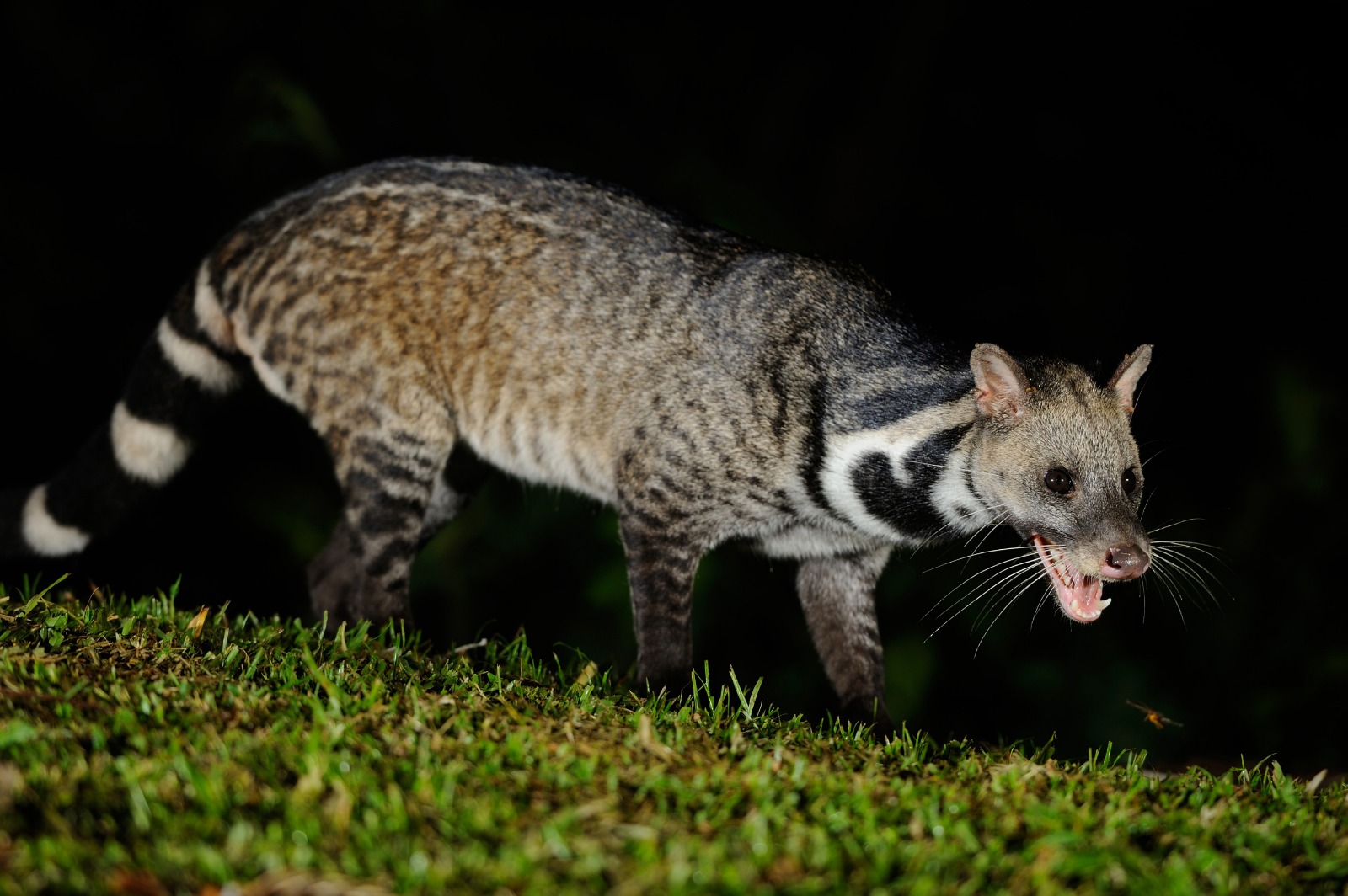
As darkness falls, we search for the park’s nocturnal residents—jackals, civet cats, Bengal foxes, and, with luck, even the elusive leopard on the hunt
Kanha National Park
Once a favored hunting ground of imperial rulers and viceroys, scenic Kanha has transformed into one of India’s most vital wildlife sanctuaries. Over the course of three immersive days, we’ll delve deep into this iconic national
park, venturing out in open 4×4 vehicles in search of the elusive Bengal tiger and a host of other wildlife.
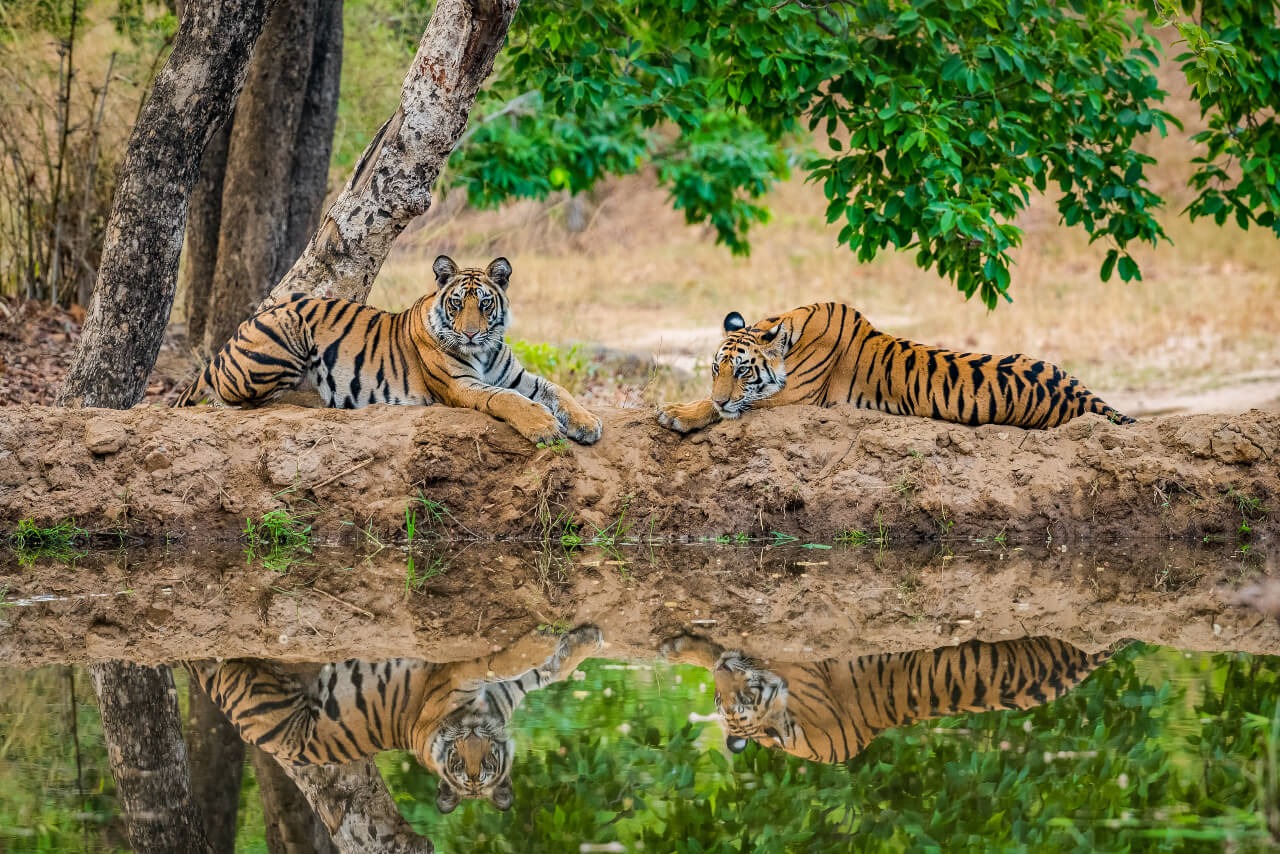
Renowned for its excellent tiger habitat, Kanha’s sun-dappled forests, expansive grasslands, and bamboo thickets offer one of the best chances in India to observe these majestic cats in the wild. Yet, spotting them takes
patience—the dense jungle provides perfect cover for both predator and prey.
Kanha National Park
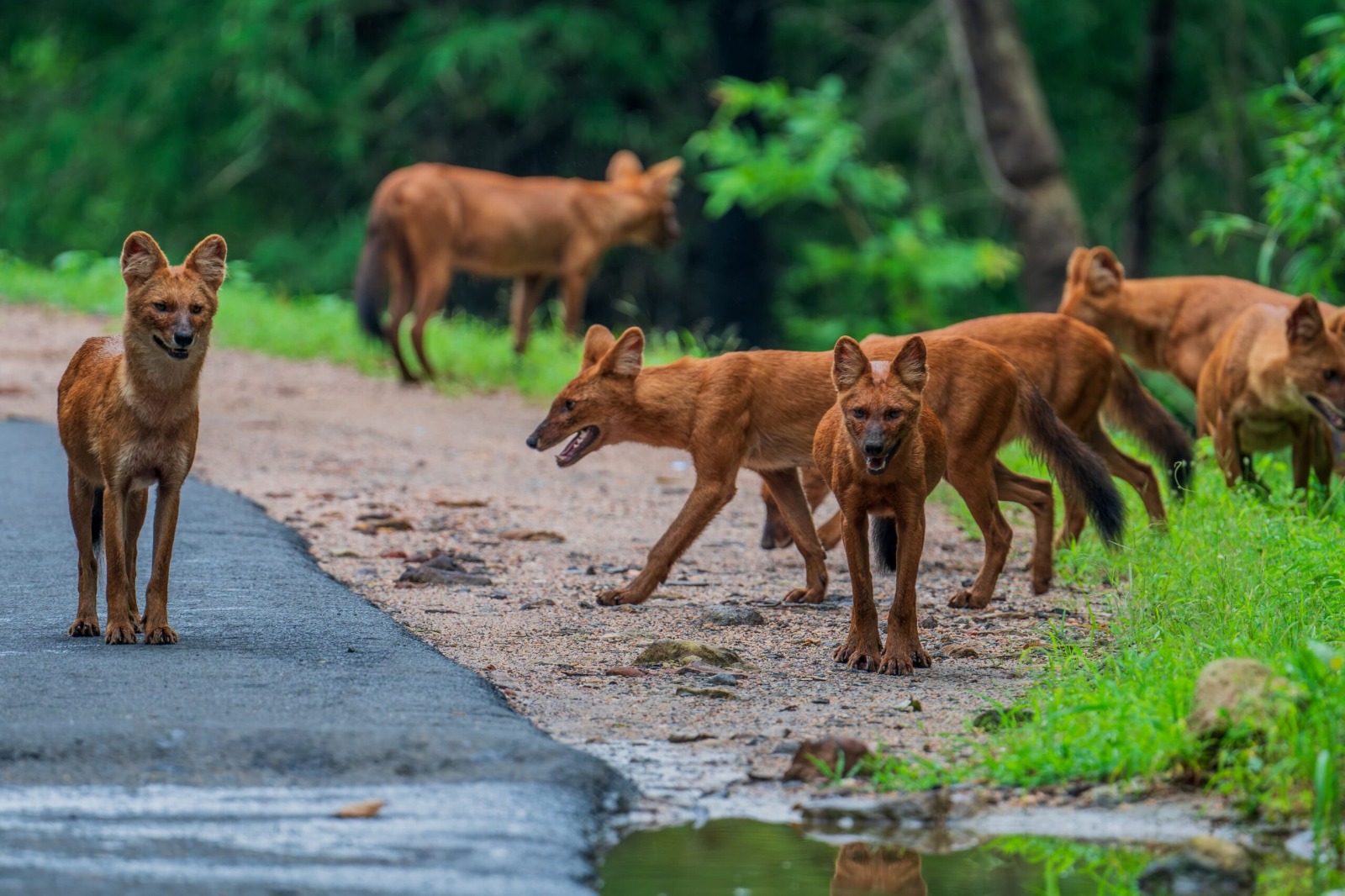
Each morning, we rise with the sun for early wildlife drives, entering the park as golden light spills across the jungle. In the open maidans—vast grassy clearings—herbivores gather to graze, drawing in predators like tigers, leopards,
and the dhole (Indian wild dog), often seen skirting the forest edge in search of opportunity.
The Banjaar River, which borders the park, serves as a crucial water source, sustaining the park’s rich biodiversity. Alongside
the big cats, we may encounter a variety of other species, including the rare barasingha (swamp deer), troops of common langurs and rhesus macaques, and the formidable gaur, the world’s largest wild bovine.
Following a
relaxing midday break and lunch at our comfortable ecolodge, we return to the wilderness for afternoon safaris, continuing our quest to witness more of Kanha’s spectacular wildlife in their natural habitat.
Kanha – Pench National Park
After half day Safari in Kanha you will drive to Pench National Park, Pench is famously considered the inspiration for Rudyard Kipling’s “The Jungle Book.” The Seoni Hills, where much of the story is set, are part of the greater Pench landscape. Many local guides and naturalists highlight Kipling’s legacy during safaris, though the actual story is a fictional blend of several Indian forests.
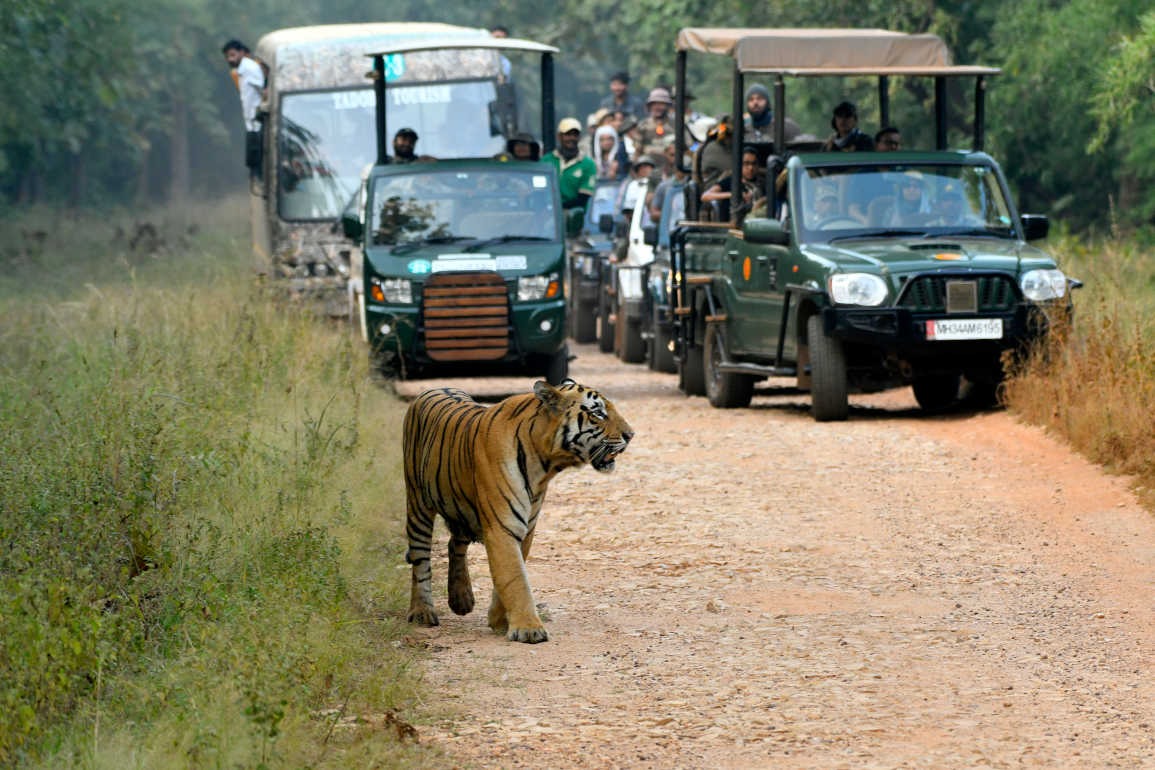
Pench National Park
Embark on thrilling morning and evening Jeep safaris that delve deep into Pench’s dense forests, open grasslands, and hidden ruins—prime territory for wild big cats. Accompanied by expert naturalists, you’ll gain fascinating insights into tiger behavior and jungle ecology as you track fresh pugmarks, follow alarm calls, and tune into the sounds of the wild.
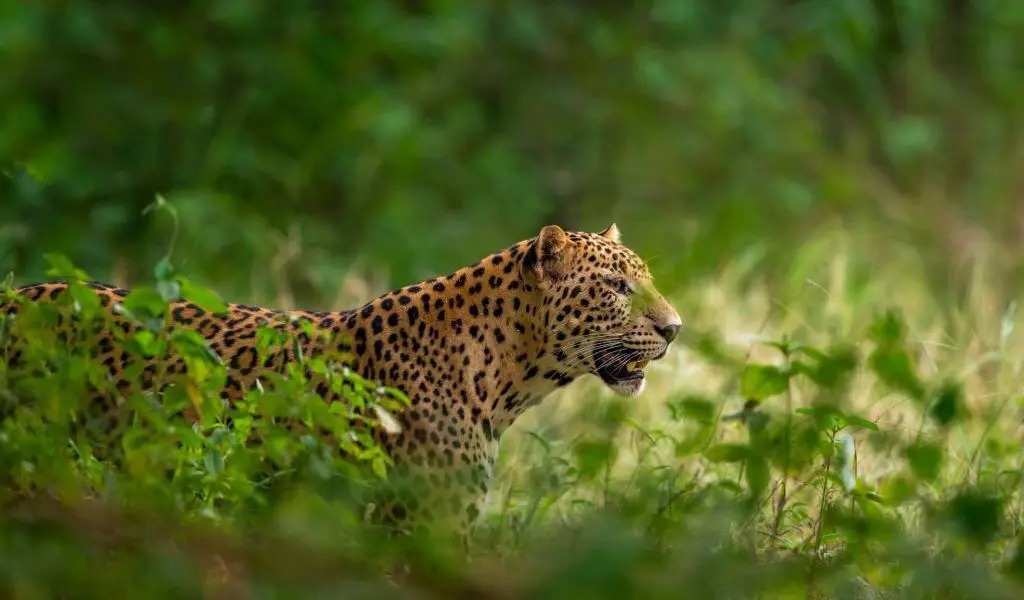
Pench- Tadoba National Park
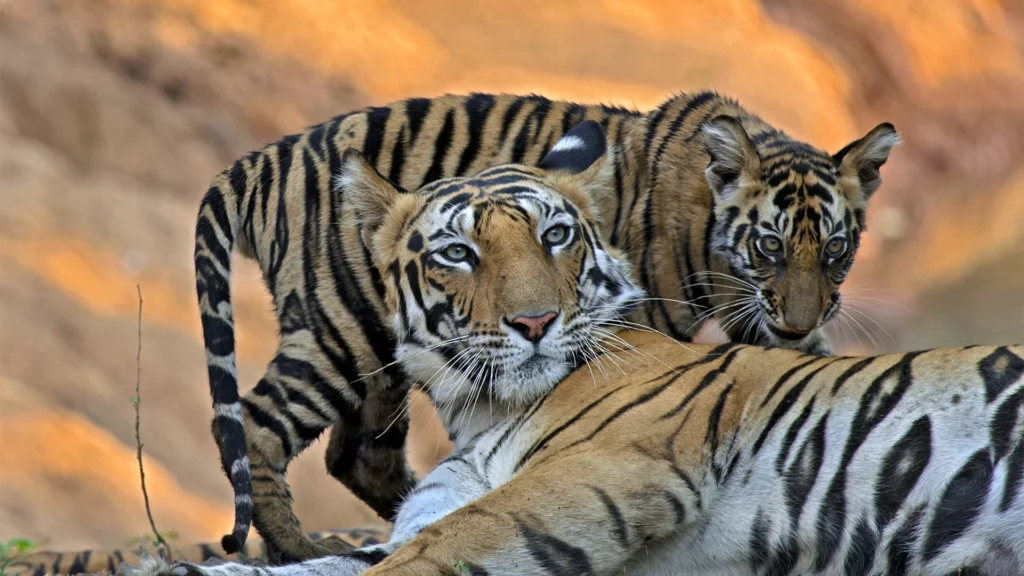
Today morning you will drive to Tadoba National Park also known as Tadoba Andhari Tiger Reserve, the oldest and largest national park in Maharashtra, is one of India’s 47 designated Project Tiger reserves. Renowned for having one of the highest densities of Bengal tigers in the country, Tadoba offers exceptional opportunities to photograph these majestic big cats—the largest wild felines on Earth.
The reserve boasts a rich conservation legacy. Once part of the domain of the Gond kings near the Chimur Hills, the area was first protected in 1935 when hunting was officially banned. In 1955, a 45-square-mile tract was declared Tadoba National Park. The adjacent forests were later designated the Andhari Wildlife Sanctuary in 1986. A decade later, in 1995, the two were combined to form the current Tadoba Andhari Tiger Reserve, which now spans 241 square miles. At the reserve’s southwestern edge lies Tadoba Lake, a key water source that also supports a population of marsh crocodiles. The lake acts as a natural buffer between the core forest and nearby farmland. Nearby, Irai Lake attracts a wealth of migratory birds—ducks, geese, and waders—making it a paradise for birdwatchers. Upon arrival, we check in at Waghoba Ecolodge, our luxurious home for the next six nights. Nestled amidst traditional farmlands, forest, and grassland—the natural domain of the Bengal tiger—this eco-conscious retreat offers both supreme comfort and proximity to the park. With tiger populations on the rise in India and vegetation sparse during this dry season, Tadoba presents an excellent chance to spot and photograph tigers in the wild. The park’s landscape is a blend of hilly terrain, tropical dry deciduous forest, and open grassland, with teak and bamboo dominating the flora. Dense woods and deep valleys provide ideal habitat for tigers and other elusive wildlife. This afternoon, we venture into the reserve on our first Jeep safari. While tiger sightings can never be guaranteed, Tadoba consis
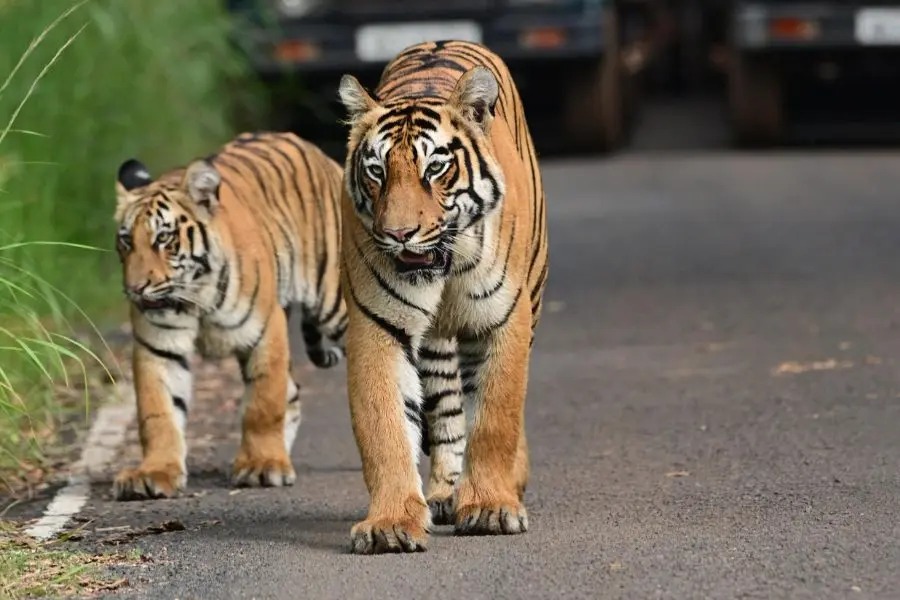
Immersive Wildlife Photography Safaris in Tadoba
Our wildlife adventure unfolds through twice-daily photo safaris—one in the early morning and another in the late afternoon—when temperatures are cooler, wildlife is most active, and the soft natural light enhances photography. Each day begins before sunrise as we head out in 4×4 vehicles, full of anticipation for the day’s discoveries. Unlike African safaris, where animals often roam in plain sight, India’s wildlife requires patience and persistence to uncover. Bengal tigers, in particular, spend much of their time hidden beneath the shade of trees and dense underbrush. Their striped coats blend seamlessly into the dry forest, offering near-perfect camouflage. Spotting them takes skill, and we rely on the expertise of our Expedition Leaders—seasoned trackers who know how to interpret the forest’s subtle signs. We listen for the rustle of grass, the alarm calls of deer, or the overhead movement of birds—all clues that might lead us to a tiger. Thankfully, the timing of our visit improves our odds. With water scarce during the dry season, tigers are often forced into the open to drink from the lakes and river systems that thread through Tadoba, offering better chances to see and photograph them in the wild.
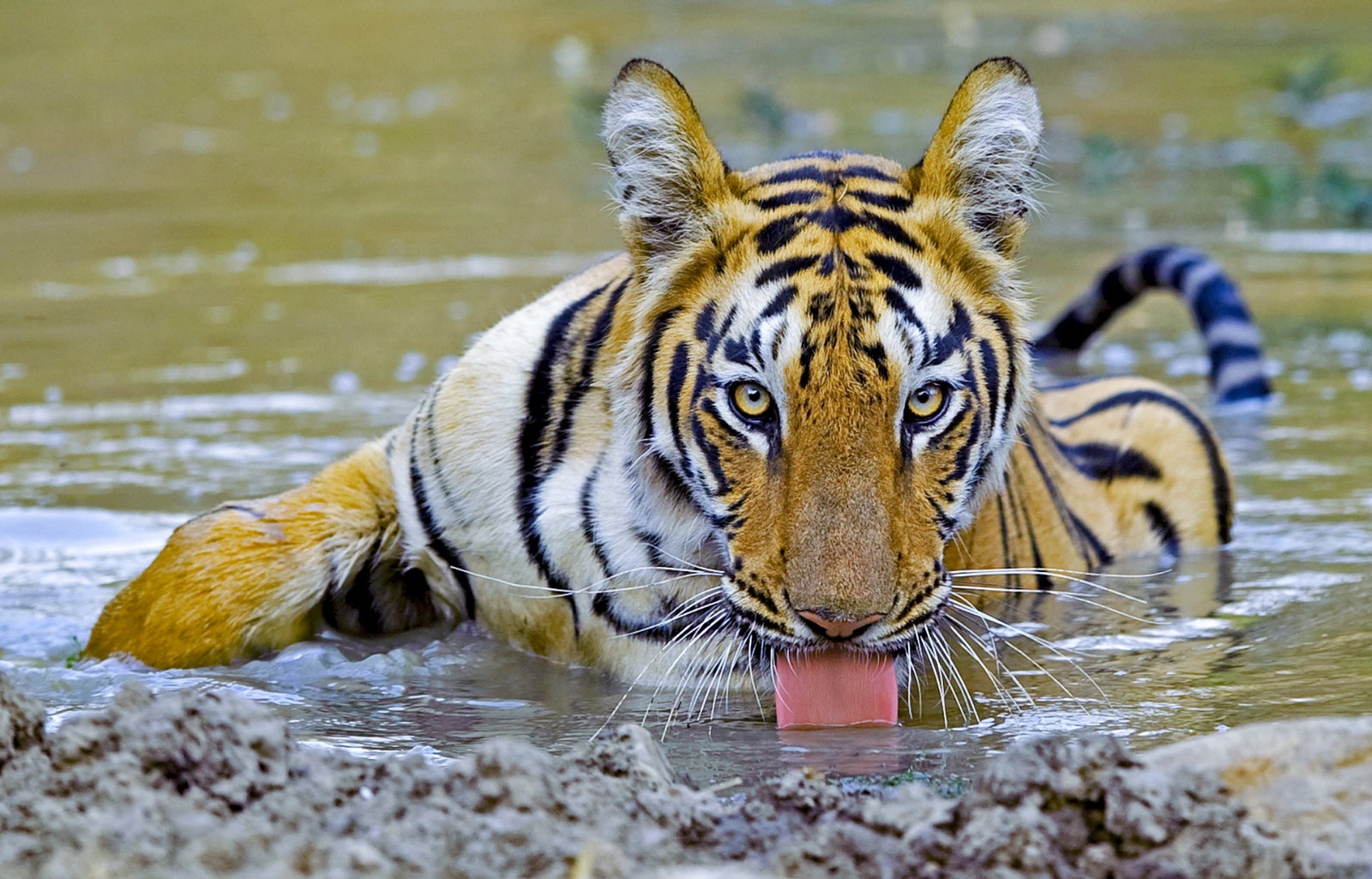
Immersive Wildlife Photography Safaris in Tadoba
Though tigers are our primary focus, Tadoba teems with other remarkable wildlife. We may encounter the elusive sloth bear, dhole (Indian wild dog), gaur (Indian bison), striped hyena, jungle cat, Indian civet, and a variety of
deer species including sambar, chital, and barking deer. Marsh crocodiles bask along riverbanks, and vibrant birdlife adds color to the forest. Look for peacocks, crested serpent eagles, gray-headed fish eagles, and a wealth
of Central India’s woodland birds. Leopards are present as well, though sightings are rare.
One afternoon, we’ll enjoy a private boat safari through the buffer zone along the backwaters of Irai Lake, a haven for birdwatchers. Glide quietly among flocks of gray herons, stork-billed kingfishers, cotton geese, and
an array of wintering migratory species. Keep your lens ready—tigers have been known to visit the shoreline for a drink.
Beyond wildlife, Tadoba offers insight into traditional rural life. We’ll be welcomed into the home of a local village family for an intimate look at their culture and daily routines. Another highlight is a visit to Ramdegi
Temple, believed to be one of the resting places of Lord Rama during his 14-year exile. Locals speak of tigers seen entering the temple grounds under the cover of darkness—a testament to the deep connection between wildlife
and spiritual belief here. The temple area also supports a significant population of sloth bears. During the heat of the day, we return to the tranquil comfort of Waghoba Ecolodge. Relax, take a dip in the pool, or browse the
nature library. And as night descends over the quiet wilderness, don’t miss the opportunity for stargazing or astrophotography—the night skies here are dazzlingly clear, far from the glow of urban lights
Tadoba National Park- Nagpur Airport
After morning Jeep safari drive to Nagpur Airport to board flight to Delhi / Mumbai for your connecting flight to your country. End of Services