Explore Panna in Comfort: Curated Luxury Jungle Escapes
Overview: Explore the wild beauty of Panna National Park while staying in some of Central India’s most enchanting
India’s diverse landscapes and abundant wildlife offer some of the most exhilarating safari adventures globally. From Bengal tigers prowling Ranthambhore to leopards slipping through Kabini’s shadows, India’s wildlife safaris promise an experience like no other. Yet, staying mindful of safety guidelines and respecting animal habitats is key to a fulfilling experience. Incidents such as rhinos toppling safari vehicles or tigers charging at jeeps highlight the importance of following the rules for your safety and that of the wildlife. Here’s an essential guide with tips, rules, and FAQs for a safe, rewarding adventure in India’s wilderness.
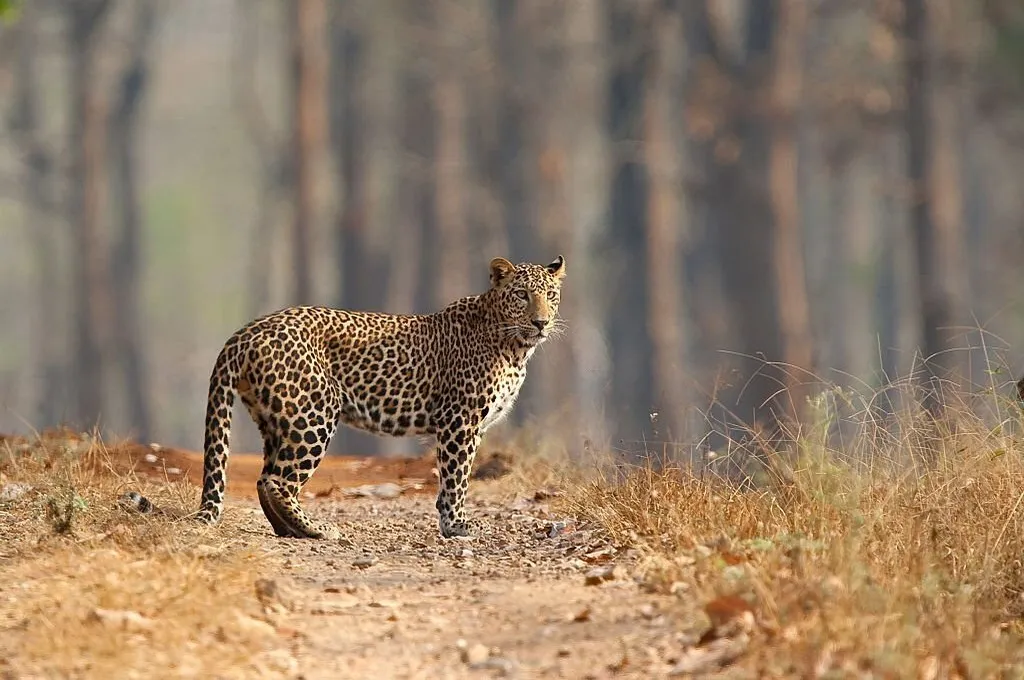
As visitors, we must respect the animals’ space. Wild animals are unpredictable, and any disturbance could lead to aggressive behavior. The more we maintain a respectful distance, the more authentic the safari experience will be.
Rule: Keep a safe distance from all animals. Avoid disturbing, feeding, or provoking them.
Tip: Use binoculars or a zoom lens for close-up views without intrusion.
Every safari group includes a trained guide from the forest department, often teamed with an experienced naturalist. These experts know the landscape and animal behavior intimately, ensuring both your safety and optimal sightings.
Rule: Always follow the instructions given by your guide.
Tip: Engage with your guide—they can enrich your experience with insights about the local wildlife.
Studies have shown that animals are more afraid of human voices than other natural sounds. Being quiet not only helps you observe animals in their natural state but also assists the guide in picking up cues from the forest.
Rule: Keep conversations and noise to a minimum.
Tip: Mute phones and other electronics to enjoy the forest’s natural soundscape.
Stepping outside the vehicle in wildlife areas is dangerous and often prohibited for visitor safety. Standing up or leaving the vehicle can provoke nearby animals and risk personal injury. Only step out when permitted in designated areas.
Rule: Remain seated inside the safari vehicle unless instructed otherwise.
Tip: Trust the vehicle design—it’s specifically created to maximize safety and visibility.
Flash can startle animals, altering their behavior and possibly causing them stress. Instead, rely on natural lighting or increase your camera’s ISO setting for low-light conditions.
Rule: Refrain from flash photography near animals.
Tip: Practice using manual settings to capture beautiful, natural shots.

Feeding wild animals can disrupt their natural habits, while littering can severely harm the environment and animals. Ensure that all waste is carried back and disposed of responsibly.
Rule: Do not feed animals or litter in wildlife areas.
Tip: Bring reusable containers and avoid single-use items to reduce waste.
Wildlife sightings are never guaranteed, which makes each one even more special. Being patient and staying attentive is often rewarded with unforgettable moments.
Rule: Be patient and realistic—animals move freely, and sightings depend on luck.
Tip: Enjoy the environment as a whole; every moment in the wild holds value.
Wear neutral, comfortable clothing. A hat and sunglasses can protect against the sun, and avoid bright colors, which can alarm animals.
Many parks close during monsoon season due to difficult roads and animal breeding periods. Check park schedules before planning your trip.
Yes, though age restrictions may apply. Verify with the safari provider or park authorities for specific age requirements.
Night safaris are permitted in certain parks. Always check regulations beforehand and follow guidelines strictly.
Camping within reserve areas is generally prohibited, though campsites may be available nearby.
Animals are most active during early mornings and late afternoons. These are ideal times for sightings.
Silence or turn off electronic devices. Loud ringtones or sounds can disturb wildlife and disrupt the experience.
No, staying on designated paths protects the environment and avoids disturbing wildlife.
Embarking on a safari in India’s wilderness offers a unique opportunity to connect with nature. By adhering to these guidelines, you can help protect the environment and enjoy a safer, richer experience. So gear up, follow the rules, and prepare for an incredible journey into India’s wild heart. Happy Safari!





Have questions or ready to plan your adventure? Contact us today and our team will help you craft the perfect wildlife experience.