Explore Panna in Comfort: Curated Luxury Jungle Escapes
Overview: Explore the wild beauty of Panna National Park while staying in some of Central India’s most enchanting
When we picture Bengal tigers, we often think of powerful, stealthy hunters stalking through dense forests. But a unique, lesser-known skill sets these big cats apart from others: they are exceptional swimmers. This remarkable trait, which distinguishes Bengal tigers from many other large felines, grants them significant advantages in their habitats. Let’s dive into what makes these tigers such capable swimmers and why this skill is so important for their survival.
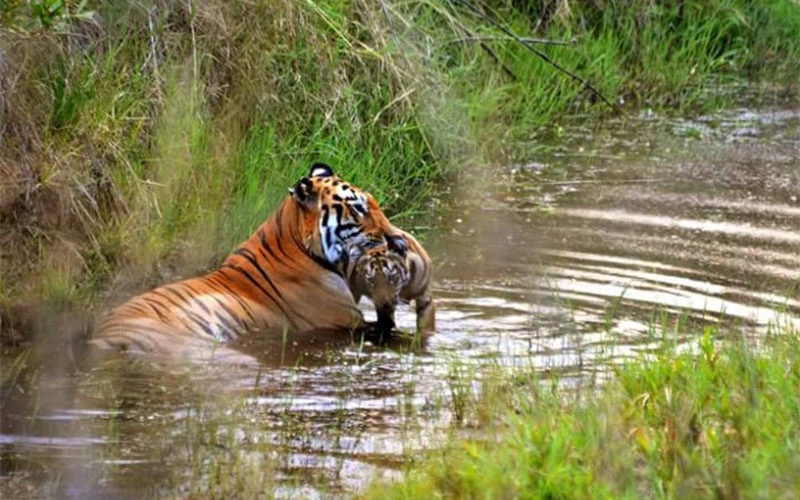
Bengal tigers are anatomically equipped to swim with ease. One notable adaptation is the webbing between their toes, which works like natural paddles, increasing the surface area of their paws and enabling more effective strokes. Their muscular bodies, developed for power and agility on land, also provide substantial propulsion in water, allowing them to cut through currents with ease.
The tigers’ muscular frames and underlying fat layer provide natural buoyancy, making it easier for them to stay afloat. This buoyancy helps Bengal tigers swim for extended periods without fatigue, even in strong currents, as they don’t need to expend extra energy to keep their bodies above water.
The swimming style of Bengal tigers resembles a “tiger paddle” similar to the doggy paddle, where they use all four legs to maintain forward momentum. Their front legs pull water back, while their hind legs push, creating a coordinated, steady motion. This technique lets them cover long distances without tiring, a valuable trait when navigating vast waterways.
Tigers keep their heads above water while swimming, which allows for uninterrupted breathing and helps them focus on their surroundings. This ability to breathe easily while swimming enables them to maintain a steady pace without needing to resurface for air, ensuring both endurance and vigilance for hunting or evading threats.
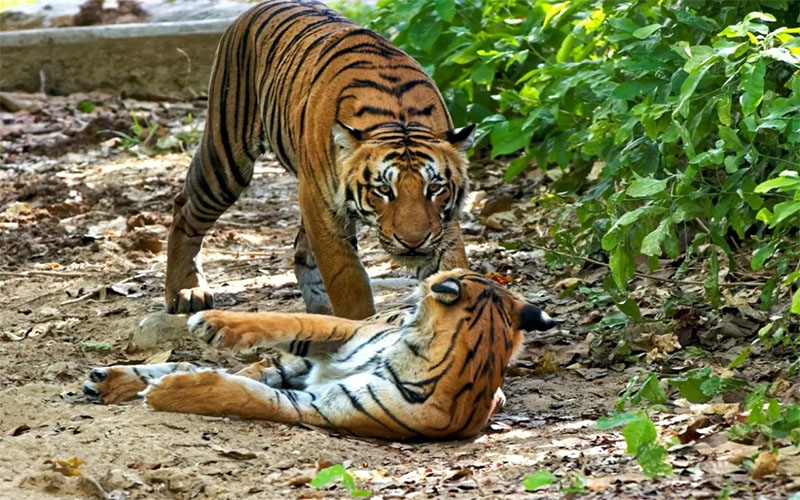
In habitats like the Sundarbans—a vast mangrove forest across India and Bangladesh—swimming is essential for Bengal tigers. The intricate waterways and islands of this landscape require them to swim to patrol their territory effectively, granting them access to abundant hunting grounds. The ability to traverse water bodies also helps them avoid conflicts with other tigers by opening up new areas for exploration.
Swimming offers Bengal tigers a distinct edge in hunting. They can pursue prey that takes refuge in water, giving them a unique advantage over land-bound predators. This skill allows tigers to catch animals such as deer or boar that attempt to escape by entering water bodies. Tigers can also hunt aquatic animals like fish and small reptiles, broadening their dietary options and aiding survival in resource-scarce environments.
In the hot, humid regions where Bengal tigers reside, swimming is a valuable way to cool off. Immersing themselves in rivers or lakes allows them to regulate their body temperature and avoid overheating. This behavior helps them stay active, especially during the peak of summer, preserving their energy for essential activities like hunting and territory defense.
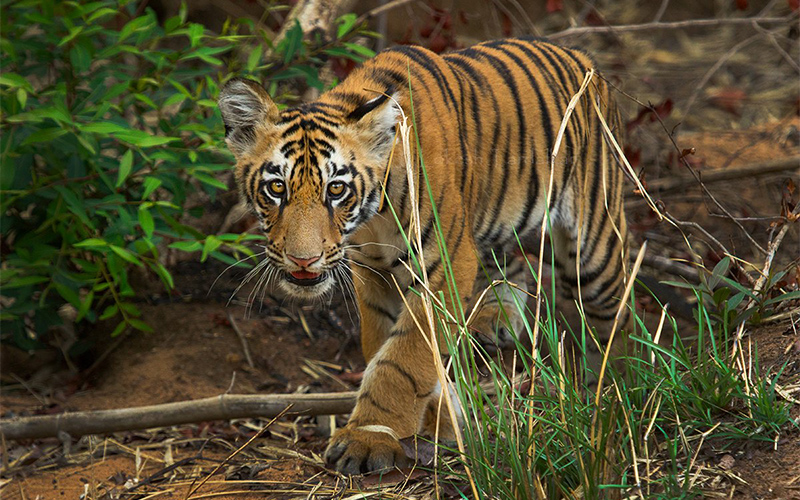
In comparison to other big cats, Bengal tigers excel as swimmers. While lions and leopards generally avoid water, Bengal tigers confidently cross rivers and lakes, giving them a strategic edge in accessing varied habitats and prey. When compared to reptiles like crocodiles, Bengal tigers may lack ambush skills in water but surpass them in stamina and swimming distance, allowing tigers to traverse large bodies of water with ease.
The swimming ability of Bengal tigers underscores their adaptability and prowess as apex predators. This skill not only sets them apart from other big cats but also ensures their survival across diverse landscapes, including those dominated by water. The unique aquatic prowess of Bengal tigers highlights their unmatched versatility, making them one of nature’s most formidable and resilient predators.





Have questions or ready to plan your adventure? Contact us today and our team will help you craft the perfect wildlife experience.