Explore Panna in Comfort: Curated Luxury Jungle Escapes
Overview: Explore the wild beauty of Panna National Park while staying in some of Central India’s most enchanting
Exploring wildlife through a safari is one of the most exhilarating ways to witness nature and its incredible creatures. Across continents, numerous national parks and wildlife reserves offer unique experiences, but a few destinations stand out for their rich biodiversity, pristine habitats, and unforgettable safari opportunities. Below is an overview of the top safari destinations globally, highlighting what makes them exceptional.

– Overview: Located in the foothills of the Himalayas, Corbett National Park is renowned for its dense population of Royal Bengal Tigers and other wildlife.
– First national park in India and pivotal to Project Tiger.
– Rich biodiversity with 50+ mammal species, 580 bird species, and 25 reptile species.
– Opportunity to stay in 100-year-old forest rest houses in the Dhikala zone.
– Safari Options: Jeep and open canter safaris through five zones: Dhikala, Bijrani, Jhirna, Dhela, and Durga Devi.
– Winter (November–February): Pleasant temperatures, ideal for photography.
– Summer (March–June): Increased chances of spotting tigers.
– Nearby Attractions: Corbett Museum, Nainital, and Pangot for birdwatching.
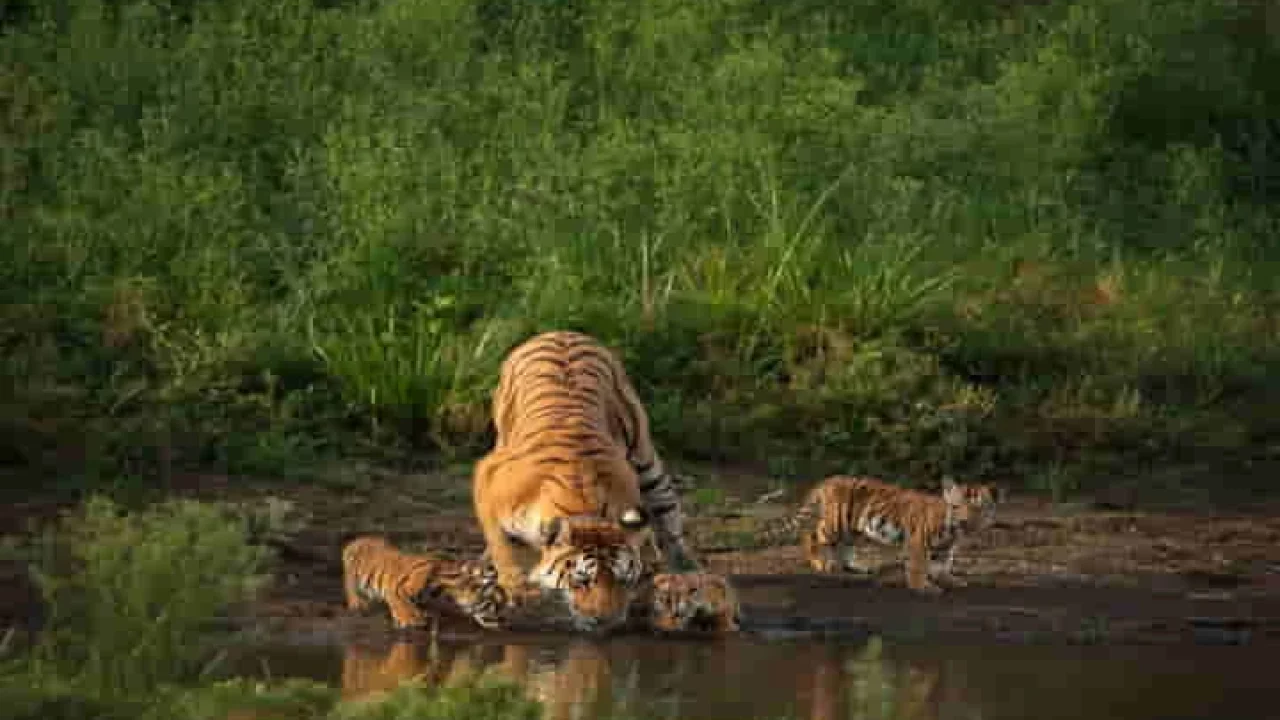
– Overview: Inspiration for Rudyard Kipling’s The Jungle Book, Kanha is famous for its scenic sal forests and diverse wildlife.
– Home to the hard ground swamp deer (Barasingha), an endangered species.
– Walking safaris permitted in specific zones.
– Known for sightings of large male tigers and wild dogs.
– Safari Options: Jeep safaris and walking trails.
– November–March for cooler temperatures.
– Summers (April–June) for frequent tiger sightings.
– Nearby Attractions: Bandhavgarh National Park, known for its dense tiger population.

– Overview: South Africa’s premier safari destination, spanning over 19,623 sq. km, is part of the Great Limpopo Transfrontier Park.
– Spot the “Big Five” (Lion, Leopard, Elephant, Rhinoceros, Buffalo) along with cheetahs, wild dogs, and hippos.
– Self-drive safaris and walking trails for adventurous travelers.
– Balloon safaris for panoramic views of the savannah.
– Dry season (May–October): Easier wildlife sightings around waterholes.
– Highlights: The park’s vast landscape includes rivers, grasslands, and forests.

– Overview: A UNESCO World Heritage site famous for hosting the Great Migration.
– Witness millions of wildebeests, zebras, and gazelles migrating annually.
– Rich predator population, including lions, leopards, and cheetahs.
– Balloon safaris offer breathtaking views of the plains.
– June–October for the Great Migration.
– December–March for calving season.
– Nearby Attractions: Ngorongoro Crater and Maasai Mara in Kenya.

– Overview: The world’s largest tropical wetland, home to unparalleled biodiversity.
– Best place to spot jaguars in the wild.
– A birdwatcher’s paradise with species like hyacinth macaws and jabirus.
– Boat safaris through intricate waterways.
– Dry season (May–September) when wildlife is concentrated along water sources.
– Nearby Attractions: Chapada dos Guimarães National Park.
From the dense forests of Asia to the vast savannas of Africa and the wetlands of South America, each destination offers a unique safari experience. Whether you’re tracking Bengal tigers in India, marveling at the Great Migration in Africa, or cruising through the Pantanal’s waterways, these safari spots provide an unforgettable connection with nature.




Have questions or ready to plan your adventure? Contact us today and our team will help you craft the perfect wildlife experience.