Explore Panna in Comfort: Curated Luxury Jungle Escapes
Overview: Explore the wild beauty of Panna National Park while staying in some of Central India’s most enchanting

– Launched: 1973 by Prime Minister Indira Gandhi
– Objective: To conserve India’s national animal, the Bengal tiger, through a dedicated conservation effort across 51 tiger reserves in 18 states.
– Key Measures: Habitat protection, anti-poaching measures, scientific research, human-wildlife conflict mitigation, and monitoring of tiger populations.
– Impact: The tiger population has increased significantly, from about 1,411 tigers in 2006 to around 2,603–3,346 by 2018.
– Sanctuaries Involved: Includes some of India’s major tiger reserves like Jim Corbett, Kaziranga, and Sundarbans.
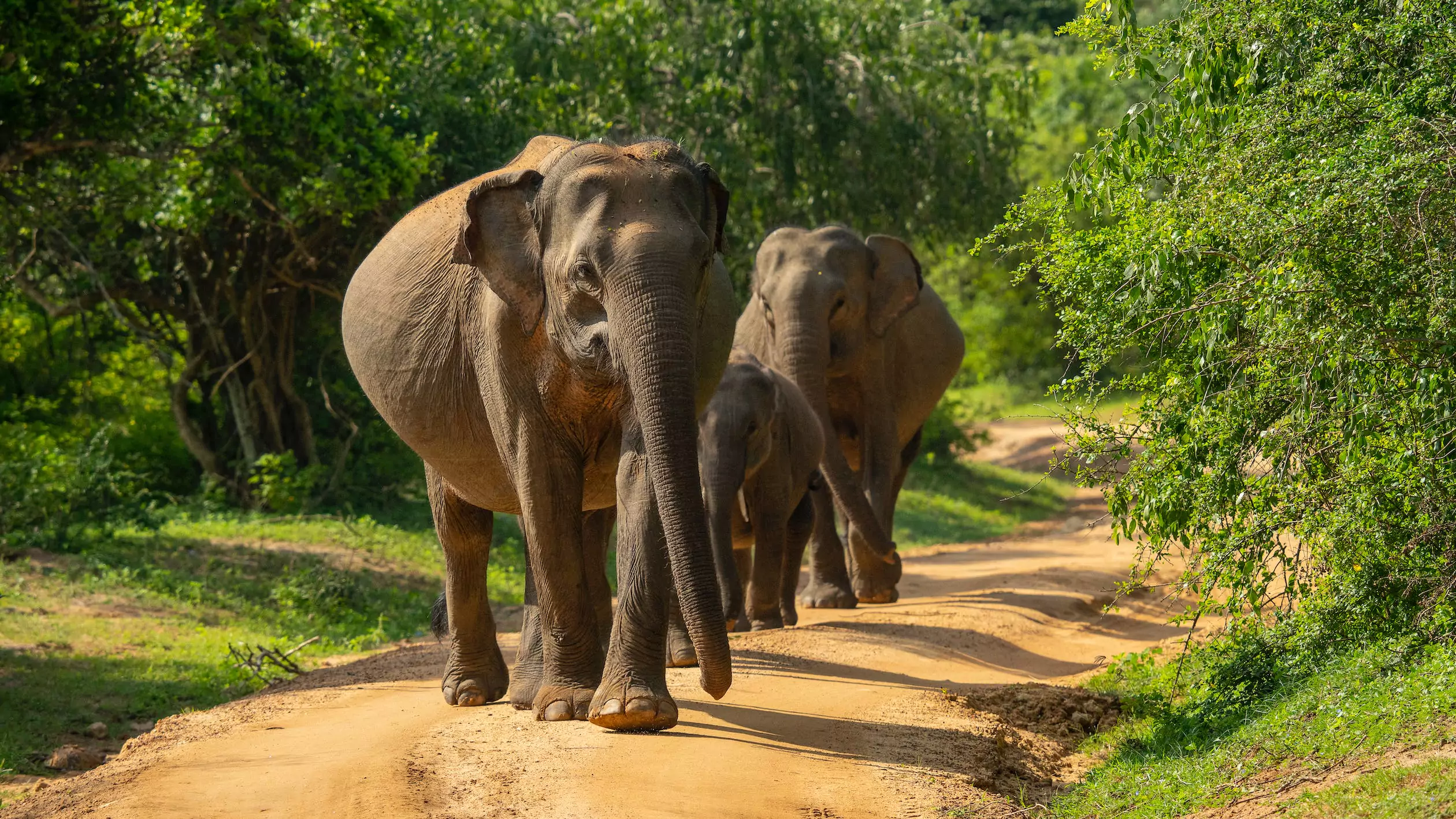
– Launched: 1992 by the Ministry of Environment and Forests
– Objective: To conserve wild Asian elephants, their habitats, and migration corridors across India.
– Key Measures: Creation of elephant reserves, improved veterinary care, habitat restoration, and reducing human-elephant conflicts.
– Impact: The project has improved the conservation status of elephants, with about 60% of the global population residing in India.
– Sanctuaries Involved: Includes reserves like Periyar, Kaziranga, and Assam’s Elephant Reserves.
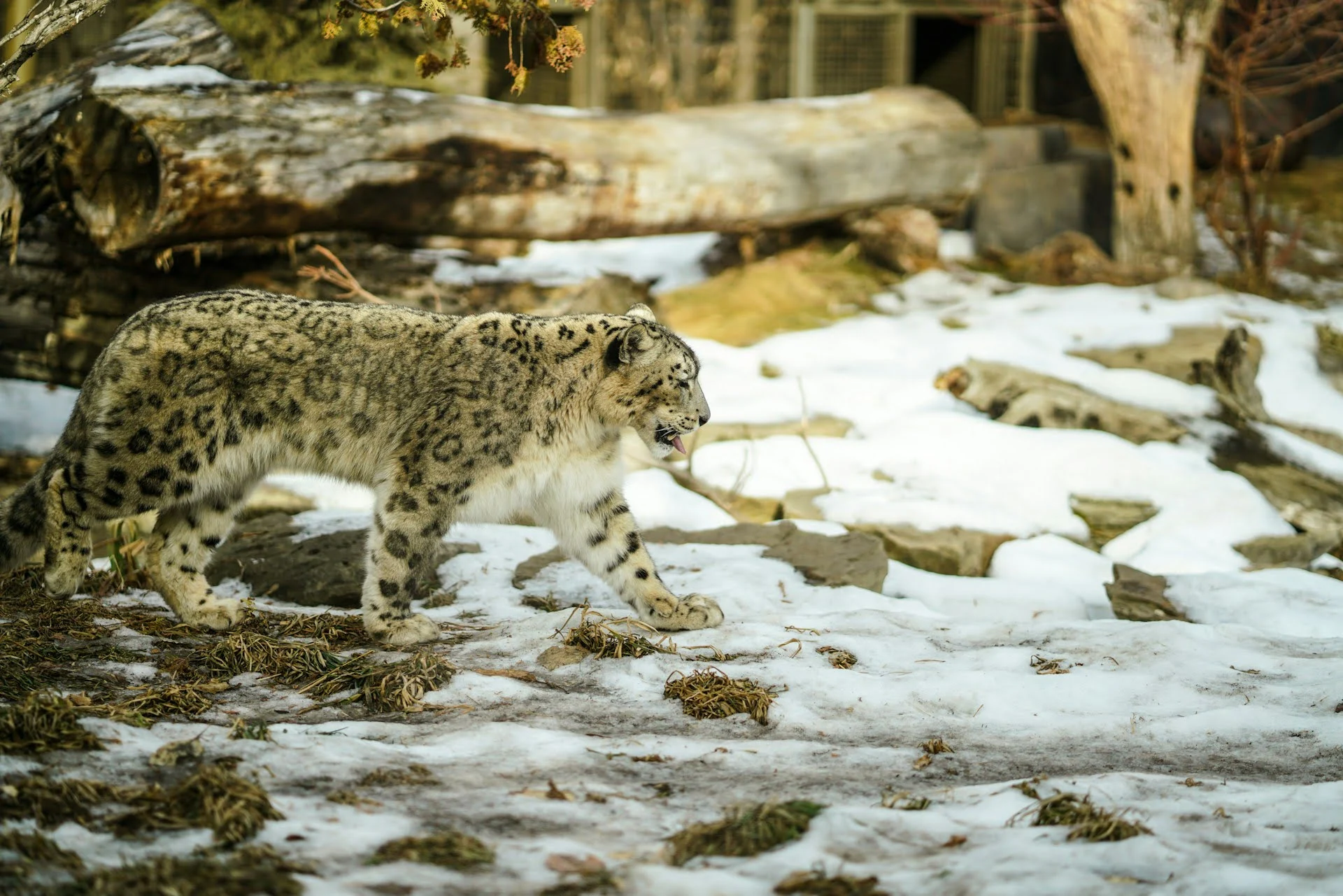
– Launched: 2009
– Objective: To conserve snow leopards and their high-altitude Himalayan habitats across several states.
– Key Measures: Protecting high-altitude ecosystems, reducing human-wildlife conflicts, and encouraging research into snow leopard ecology.
– Impact: Snow leopard populations are carefully monitored, and strategies are being developed to improve habitat conditions and mitigate threats.
– Sanctuaries Involved: Hemis National Park, Great Himalayan National Park, and Khangchendzonga National Park.

– Launched: 1970s, with support from IUCN and WWF
– Objective: To protect and conserve the critically endangered Hangul (Kashmir stag) population in Jammu and Kashmir.
– Key Measures: Habitat restoration, anti-poaching efforts, and reducing human disturbances.
– Impact: Despite a steep decline in the population, conservation efforts have shown signs of positive outcomes in certain areas.
– Sanctuaries Involved: Primarily Dachigam National Park, which is home to the remaining Hangul population.
– Launched: Ongoing
– Objective: To conserve biodiversity and integrate the sustainable development of ecosystems and communities.
– Key Measures: Conservation of both flora and fauna within specific regions, promoting sustainable practices that benefit both the environment and local communities.
– Impact: India has established several biosphere reserves, such as Sunderbans, Nilgiri, and Nanda Devi, which protect a variety of endangered species.
– Sanctuaries Involved: Includes a network of protected areas spread across India, aimed at preserving unique ecosystems and species.





Have questions or ready to plan your adventure? Contact us today and our team will help you craft the perfect wildlife experience.