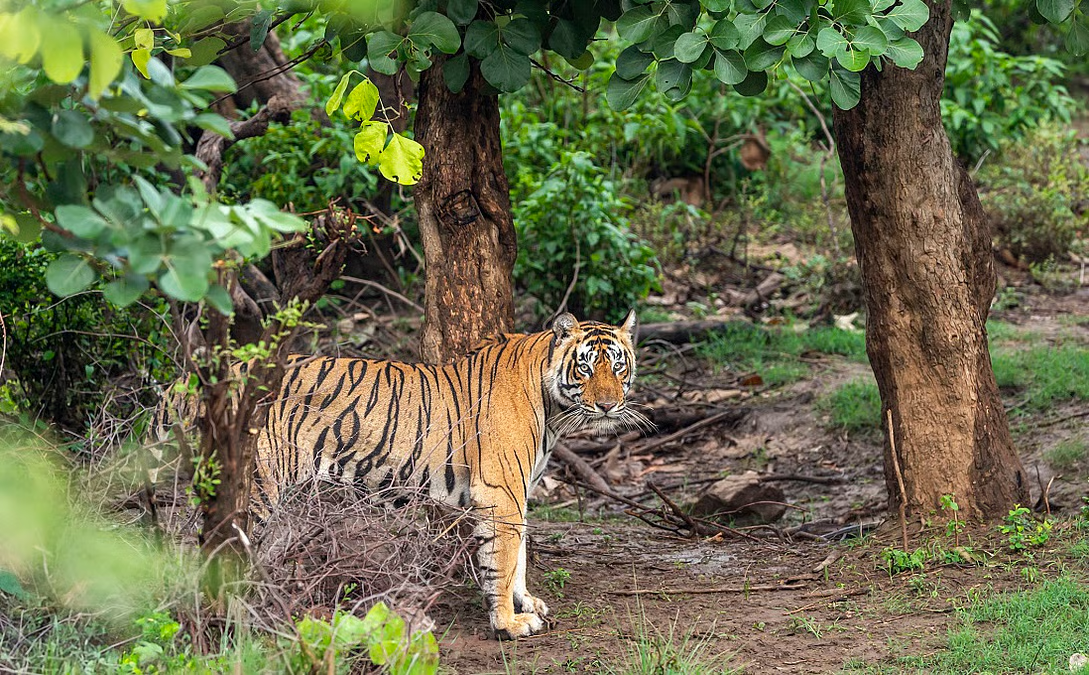
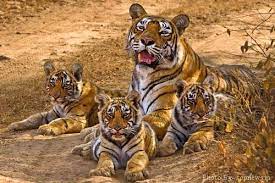
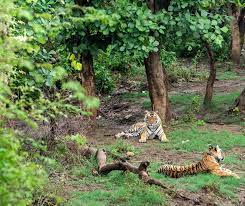
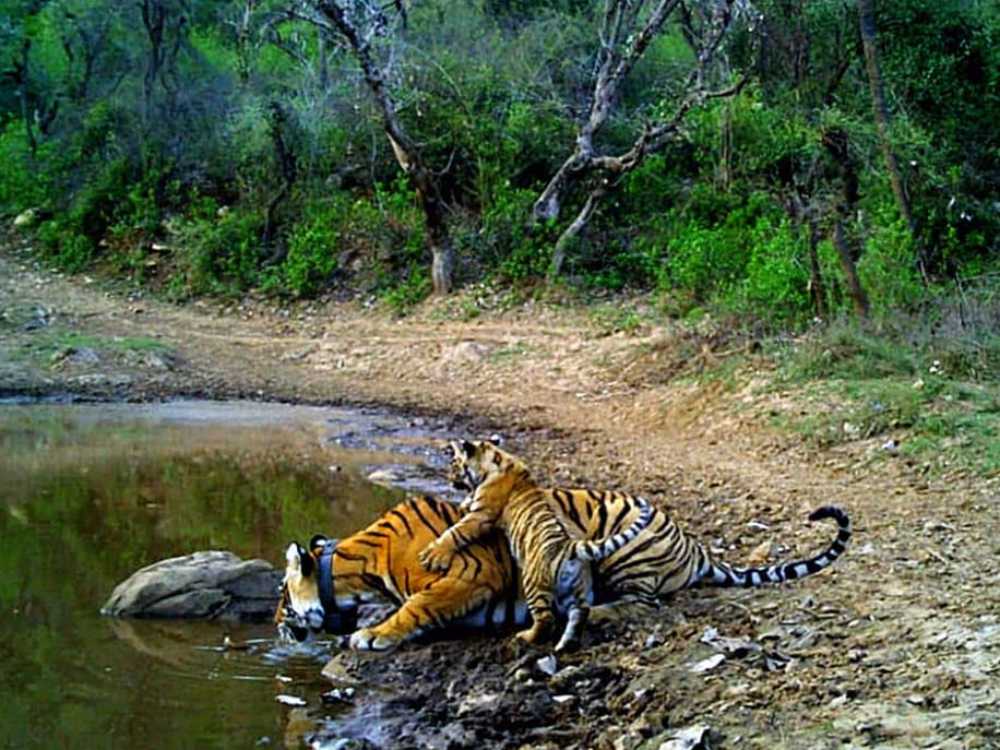
Sanjay Dubari National Park is a wildlife sanctuary located in the Indian state of Madhya Pradesh. It is a lesser-known national park but is a hidden gem for nature and wildlife enthusiasts. Here are some unique aspects of Sanjay Dubari National Park that make it a must-visit destination for wildlife enthusiasts.
1. Unique Landscape: Sanjay Dubari National Park is known for its unique landscape, which includes deep valleys, steep slopes, and beautiful plateaus. The park is also surrounded by the Satpura Range, adding to its natural beauty. The unique landscape offers visitors the chance to indulge in activities like trekking, hiking, and camping.
2. Rich Biodiversity: Sanjay Dubari National Park is home to several species of animals, including the Indian leopard, sloth bear, Indian bison, and several species of deer. The park is also home to several species of birds, including the Indian pitta, grey-headed canary-flycatcher, and several species of owls. The park’s rich biodiversity makes it an ideal destination for wildlife enthusiasts and bird watchers.
3. Orchids: Sanjay Dubari National Park is known for its beautiful orchids. The park has over 100 species of orchids, making it a unique destination for nature lovers. Visitors can enjoy a guided tour of the park and observe the park’s beautiful orchids.
4. Waterfalls: Sanjay Dubari National Park is known for its beautiful waterfalls. The park has several waterfalls, including the Purwa Falls, which adds to the park’s natural beauty. Visitors can enjoy a picnic or a swim in the waterfalls.
5. Eco-Tourism: Sanjay Dubari National Park offers visitors a unique eco-tourism experience. Visitors can enjoy a jeep safari or a walking safari and explore the park’s rich biodiversity. The park also offers visitors the chance to stay in eco-friendly resorts and experience a unique eco-tourism experience.
6. Jungle Safaris: Visitors can explore the reserve through jeep safaris or on elephant-back safaris. These guided tours offer an opportunity to spot wildlife in their natural habitat and observe the diverse ecosystems within the reserve.
7. Nature Trails: The tiger reserve offers various trekking trails that allow visitors to immerse themselves in the natural beauty of the surroundings. These trails offer an up-close experience with the flora and fauna of the region.
8. Bird Watching: The reserve is a haven for bird watchers, with over 150 species of birds recorded. Bird watching enthusiasts can spot colorful and rare species of birds, including the Indian pitta, Malabar pied hornbill, and Indian roller.
9. Nature Photography: The picturesque landscapes and abundant wildlife provide ample opportunities for nature photography. Capture stunning images of tigers, birds, and the pristine wilderness of the reserve.
In conclusion, Sanjay Dubari National Park is a unique and fascinating destination that offers visitors a blend of adventure, wildlife, and natural beauty. It is a must-visit destination for anyone interested in wildlife conservation and eco-tourism.
/english-betterindia/media/post_attachments/uploads/2019/11/Untitled-design-75.jpg)